

From Classroom to Client Work: Alyssa McDowell’s Internship Experience
Stepping from university lectures into a real accounting practice can feel a little like moving from a flight simulator into the cockpit of an actual aircraft. The controls are familiar, but suddenly the stakes are real and every decision matters.
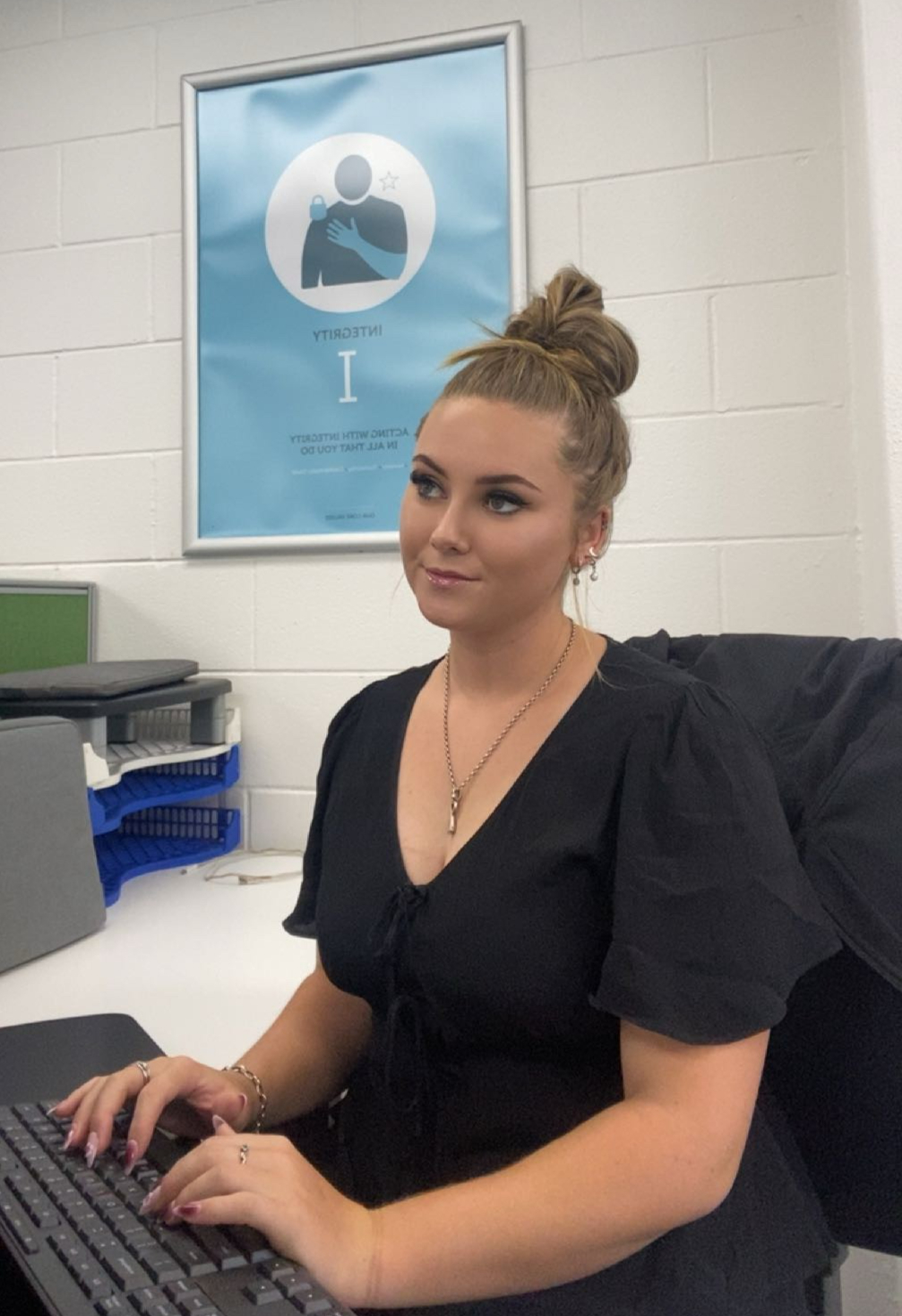
That was the experience for Alyssa McDowell during her internship with Rural Chartered Accountants (RCA) in Whakatāne. Over the course of her placement, Alyssa transitioned from observing workflows to contributing meaningful client work, developing both technical skills and professional confidence along the way.
This internship provided the opportunity to apply university knowledge in a real accounting environment where accuracy, accountability, and client outcomes are part of everyday practice.
Understanding the RCA Environment
Rural Chartered Accountants specialises in supporting rural and regional businesses across a wide range of industries. These include farming operations, horticulture businesses, manufacturing companies, engineering firms, and selected retail and hospitality enterprises.
The firm provides services such as:
- Financial statement preparation
- GST return preparation
- Tax compliance and advisory support
- Business advisory services
For Alyssa, this environment offered exposure to a diverse mix of clients and accounting tasks, helping bridge the gap between academic theory and practical professional work.
At the beginning of the internship, her responsibilities focused on learning the systems and observing processes. As her confidence and capability grew, she progressed to working on supervised client tasks and contributing directly to firm projects.
Tangible Outcomes from the Internship
Investigating GST Discrepancies
During several GST reconciliations, Alyssa identified situations where GST returns did not perfectly align with supporting reports.
Rather than relying solely on software outputs, she reviewed underlying transactions to locate the cause of discrepancies. This included identifying incorrectly coded invoices and ensuring that non-GST items such as:
- Bank fees
- Loans
- PAYE payments
- Dividends
were correctly excluded from GST calculations.
This work strengthened the accuracy of client records and reinforced an important professional lesson: accounting software assists decision making, but professional judgement remains essential.
Preparing an Information Memorandum for a Business Sale
One of the most significant projects Alyssa completed was preparing an Information Memorandum (IM) for the potential sale of a local business.
The purpose of an IM is to provide prospective buyers with a clear understanding of the company, including:
- Business operations
- Market position
- Financial performance
- Key assets
- Potential risks
This project demonstrated how accounting information supports strategic business decisions, not just compliance reporting. The document she prepared will now serve as the baseline information for the sale process.
Improving Client File Organisation
Strong document management is essential for efficient accounting workflows. During the internship, Alyssa worked extensively within the firm’s document management system to organise and file client records, including:
- Bank statements
- Client correspondence
- Supporting documentation
By applying consistent naming conventions and correcting historical filing inconsistencies, she helped improve accessibility for the accounting team during busy compliance periods.
Key Personal and Professional Growth
Strengthening Critical Thinking
One GST investigation involved a discrepancy of approximately $4,000 between claimed GST and the return submitted. To resolve the issue, Alyssa reviewed transactions line by line against bank statements until the missing entry was located. The experience reinforced a key professional habit: always verify data rather than relying blindly on software outputs.
Team Collaboration and Workplace Culture
RCA’s team culture also played an important role in the internship experience. Weekly Monday meetings included team check-ins where staff could discuss workloads and even rate their emotional wellbeing on a scale from one to ten. These conversations helped create a supportive and collaborative workplace environment. For Alyssa, this openness made it easier to engage with colleagues, ask questions, and contribute to discussions.
Connecting Academic Study with Real-World Practice
One of the most valuable aspects of the internship was seeing how accounting theory translates into practical work. Using accounting software allowed Alyssa to better understand how financial statements are constructed. Features that allowed her to click into financial report headings and view the underlying transactions helped connect coding decisions with the numbers appearing in profit and loss statements and balance sheets. This transformed financial statements from abstract summaries into clear reflections of business activity.
As Alyssa enters her final year of study, she does so with significantly greater clarity about how theoretical accounting concepts operate in real businesses.
Looking Ahead
The internship confirmed Alyssa’s interest in pursuing a career in accounting, particularly within rural and advisory-focused environments.
Beyond technical skills, the experience provided exposure to real clients, financial decision-making, and professional teamwork.
In recognition of her contributions, Alyssa has been offered a part-time role with Rural Chartered Accountants while she completes her final year of university.